
Refill Retail That Works

Today we explore zero-waste retail best practices for running refill programs, turning operational complexity into a welcoming, repeatable ritual. You’ll discover container policies that reduce confusion, hygiene routines that exceed regulations, merchandising that converts, and pricing that sustains healthy margins. Drawing from real shop anecdotes and measured results, we translate lessons into clear steps you can adapt immediately. Ask questions, bookmark for your team, and subscribe to get fresh experiments and case studies that help you grow impact while eliminating unnecessary packaging waste.

Designing a Frictionless Refill Experience

A satisfying refill visit feels intuitive from entry to checkout. Map the journey with clear signage, visible tare stations, and confident staff prompts so nobody hesitates. Standardize container sizes while welcoming bring-your-own options, and keep funnels, wipes, and spill kits within easy reach. Validate layouts through time-and-motion studies and accessibility audits. Iterate weekly, sharing small wins, because each reduced bottleneck or faster tare compounds into happier customers, cleaner operations, and lower labor costs, especially during peak hours when first impressions matter most.

Flow and Wayfinding

Guide customers with color-coded icons and a simple sequence: grab, tare, fill, weigh, pay, tidy. Put high-velocity products at shoulder to waist height, and position heavy pumps where leverage is safe. Test with strollers, mobility devices, and baskets during live pilots. One shop moved scales three feet and cut average transaction time by twenty percent, shortening Saturday queues and freeing staff to coach first-time refillers rather than firefight avoidable confusion.

Tare and Checkout Simplicity

Make tare effortless with pre-tared house containers, barcode labels, and prominent tare receipts. Train staff to proactively offer help at the tare station and confirm weights verbally to build trust. At checkout, use a single PLU screen that prompts for tare first, then product, then quantity, minimizing taps. A laminated quick-reference near the register reduces new-hire errors, while customers appreciate the calm, consistent rhythm. Fewer corrections mean fewer refunds and smoother closing counts.

Inclusive Accessibility

Design for all bodies and abilities. Provide seated filling options, lighter squeeze bottles, and step-free paths with ample turning radii. Use high-contrast, large-type signage and pictograms, plus multilingual cards for key steps. Offer staff assistance without rushing, and install easy-grip pump handles. A quiet hour each week helps neurodivergent shoppers participate comfortably. When people feel seen and supported, they return, bring friends, and become your most persuasive advocates for sustainable, dignified daily purchasing habits.

Hygiene, Compliance, and Risk Management

Trust is earned through visible cleanliness and airtight procedures. Build written SOPs for decanting, equipment sanitization, and container acceptance. Align with local health codes and food-grade standards, documenting every step. Separate back-of-house decanting from public areas, and maintain handwashing, sanitizer, and PPE protocols. Calibrate scales regularly and keep a corrective-action log for transparency. Clear boundaries, routine audits, and frequent micro-trainings reduce risk, simplify inspections, and create the confidence customers need to refill personal care and pantry essentials again and again.

Sanitization Workflow That Scales

Institute a three-sink or validated equivalent process, with labeled zones for wash, rinse, and sanitize. Use checklists at open, mid-shift, and close, and log contact times for sanitizers. Color-code tools to prevent cross-use between food and non-food lines. Replace worn gaskets on a schedule. Build redundancy into pump spares and seals so downtime never compromises hygiene. When customers observe attentive cleaning and organized tools, they infer quality throughout the operation and feel comfortable refilling intimate products like shampoo or dish soap.

Traceability and Lot Control

Assign incoming lots a unique identifier that follows each product from supplier container to dispensing bin and POS. Print batch stickers for bins and update when decanting. If you blend, keep formulas and trace components. During a mock recall, verify you can notify customers within hours and quarantine affected stock immediately. This discipline streamlines audits, strengthens supplier relationships, and demonstrates professional rigor, which separates enduring refill programs from novelty experiments that falter when confronted with predictable regulatory scrutiny.

Insurance and Legal Readiness

Review general liability, product liability, and professional coverage with a broker experienced in bulk retail. Establish customer-facing policies for BYO containers, including cleanliness expectations and refusal rights. Post clear disclaimers without fearmongering, and train staff on incident documentation. Keep MSDS/SDS accessible and update annually. When a minor spill or slip occurs, a practiced response protects people first and reduces claim severity. Preparedness is not pessimism; it is the scaffolding that allows sustainable innovation to operate confidently every day.

Merchandising That Converts Without Waste

Visual storytelling should make refilling feel modern, safe, and rewarding. Choose fixtures that display cleanliness, label every bin with plain-language benefits, and feature origin stories that respect suppliers and values. Use lighting to sparkle stainless steel, and show realistic savings compared to packaged alternatives. Offer starter kits near the entrance and celebrate refilled containers on social displays. By uniting aesthetics with function, you create a memorable experience that sells the habit, not just the product, driving repeat visits and word-of-mouth growth.

Bins, Valves, and Container Ergonomics

Match valve types to viscosity and customer grip strength. Gravity bins shine for grains, while lever pumps suit detergents and lotions. Angle bins to minimize shadowing and keep product visible. Provide drip trays, microfiber cloths, and magnetic funnels for tidy filling. Test bottle neck sizes with your pumps to prevent sudden splashes. When everything feels sturdy and predictable, guests relax, experiment with new items, and buy more confidently because the equipment communicates care and professional intention in every detail.

Story-Driven Labels and Data

Translate sustainability into tangible benefits on labels: cost per ounce, packaging avoided, and verified certifications. Add usage tips, scent notes, and compatibility warnings where helpful. Include supplier names when permissioned, and feature short founder quotes to humanize the supply chain. A small QR code can reveal deeper testing data and FAQs. Customers purchase not only soap but a credible system, and concise, honest labels reduce staff time spent answering repeat questions while increasing trust and basket size over months.

Smart Sampling Without Cross-Contamination
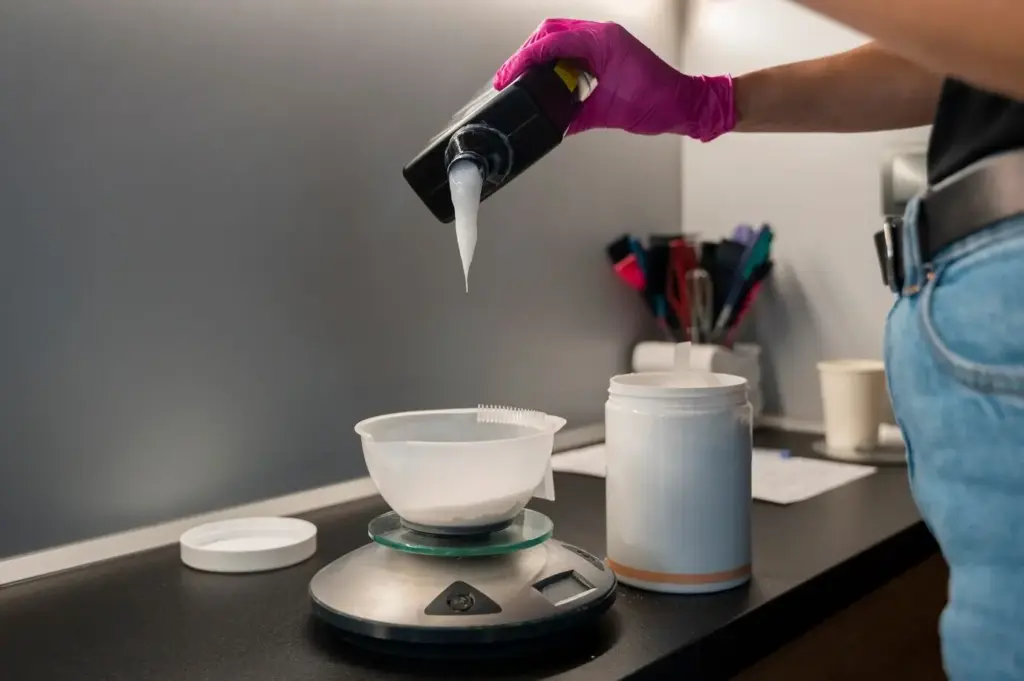
Offer sealed sample vials or single-use tester pumps rather than communal jars. Provide tester cards for lotions and a discard bin clearly labeled. Rotate testers frequently and track dates on back labels. Encourage customers to sniff or try at designated zones away from decanting, maintaining a clean fill area. Sampling should spark curiosity while protecting product integrity. This disciplined approach avoids waste, reassures cautious shoppers, and still delivers the joyful discovery moment that makes refilling feel personal and fun.

Margin Math and Psychological Price Points

Model gross margin after inevitable shrink from drips, sampling, and imperfect decants. Test charm pricing versus round figures, and highlight bundle savings for families refilling multiple categories. Consider deposit-inclusive starter kits to reduce sticker shock. Review category roles: some items are margin leaders, others are traffic builders. Revisit pricing quarterly as supplier costs shift. When customers perceive fairness and clarity, they return regularly, and small, predictable refills accumulate into dependable revenue that stabilizes payroll and supports community initiatives.

Demand Forecasting for Refill SKUs

Use simple weekly velocity metrics before graduating to weighted moving averages or seasonal indices. Track refills-per-customer to predict campaign impacts, like back-to-school cleaners or holiday baking staples. Incorporate supplier lead time variability and minimum order quantities to set safety stock intelligently. Forecasting is less about perfection and more about agility. A shared dashboard lets staff flag anomalies early, preventing outages that disappoint loyal refillers and erode trust built through countless tidy, reliable, planet-friendly shopping routines.

Waste-Minimizing Inventory Cycles

Adopt first-expiring-first-out rotations and smaller, more frequent decants for slower movers. Label bin changeovers with dates, and schedule deep cleans between lots. Coordinate promotions to align with approaching expirations without misleading customers. Encourage staff to log near-empty containers to combine efficiently. These micro-habits reduce write-offs, maintain freshness, and keep displays crisp. When shelves always feel cared for, customers believe the promise of quality and gladly adopt refilling as a dependable part of their weekly routines.

Community, Education, and Behavior Change

Refilling sticks when it feels social, supported, and celebrated. Host beginner workshops, share short how-to videos, and create a welcoming container library for first-timers. Offer deposit options and periodic amnesty days to reset messy cupboards. Partner with schools, businesses, and neighborhood groups for bulk drives that introduce new households to the ritual. By honoring different starting points and telling encouraging stories, you transform curiosity into confident habit, nurturing a resilient local movement that keeps waste out of bins and joy in routines.

Onboarding New Refillers with Confidence

Greet newcomers with a quick script, a clean demo bottle, and a visible tare. Explain each step in plain language, then step back to let them succeed. Share a tiny success metric—like pounds of packaging avoided—to anchor pride. Follow up with a welcome email containing tips and refill reminders. The first experience shapes the arc of loyalty; when people feel competent and celebrated, they tell friends and become advocates who help your store refine and grow the program thoughtfully.

Memberships, Deposits, and Return Loops

Design memberships that trade predictable visits for gentle rewards, like discounted refills or priority access to new scents. Offer deposits on sturdy containers to reduce friction for busy households, and provide convenient return bins. Close the loop with periodic deep-clean collections, ensuring containers circulate safely. Clear policies and kind reminders prevent friction. Over time, reliable loops stabilize demand, lower packaging overhead, and demonstrate a practical, everyday circular economy in action, not just in slogans or seasonal campaigns.

Local Partnerships that Multiply Impact

Team up with cafés for shared pickup points, gyms for shower product trials, and schools for fundraiser refills that replace single-use prizes. Invite municipal waste educators for Q&A nights that demystify recycling versus refilling. Co-create limited releases with local makers to keep excitement fresh. Partnerships expand reach while anchoring your shop in community life. Measured together, small collaborations divert significant packaging and build social proof that inspires new participants who might have hesitated to try refilling alone.

Data, Measurement, and Continuous Improvement

What gets measured improves—when metrics are meaningful. Track waste diverted, refill frequency, defect rates, and training completion, not just sales. Set quarterly experiments with clear hypotheses, such as relocating scales or rewriting labels, and analyze impacts on dwell time, conversion, and average fill size. Share results with your team and customers, celebrating real progress and learning from misses. This transparent, iterative culture keeps operations sharp, builds credibility, and ensures your refill program stays resilient as preferences and regulations evolve.

KPIs that Matter Beyond Sales

Define a concise dashboard: containers reused, pounds of packaging avoided, on-time decants, sanitation compliance, and NPS for first-time refillers. Segment data by category to find hidden stars. When staff see their contributions translated into clear wins, morale rises and coaching becomes specific. Customers appreciate honest numbers and are more likely to participate consistently when they feel part of a measurable, shared mission that improves their neighborhood as much as their household budget.

Experimentation Frameworks

Run small, time-boxed tests with control and variant, such as new pump heights or revised wayfinding art. Set a threshold for success before launching. Document setup, observations, and outcomes in a shared playbook so improvements survive staff turnover. Celebrate experiments that fail fast yet reveal friction points. Continuous testing transforms guesswork into cumulative wisdom, allowing your refill experience to evolve gracefully while keeping customer trust, safety standards, and margin goals firmly in balance.

Transparent Reporting that Builds Trust

Publish a simple monthly summary in-store and online: refill counts, packaging avoided, highlighted learnings, and next month’s focus. Invite questions and feature customer suggestions you implemented. Transparency turns shoppers into collaborators and skeptics into allies. Add a short subscribe prompt to keep the conversation alive. When people witness consistent, candid updates, they believe the system is robust and worthy of their participation, returning with empty containers and renewed enthusiasm for practical, local climate action.
Nutizikoxaru
Privacy Overview

This website uses cookies so that we can provide you with the best user experience possible. Cookie information is stored in your browser and performs functions such as recognising you when you return to our website and helping our team to understand which sections of the website you find most interesting and useful.