
Find What You Can Refill, Not Replace
Welcome to the Refillable Essentials Directory, a living guide to everyday swaps that cut plastic, save money, and simplify routines. Explore refill options for cleaners, personal care, pantry basics, and office supplies, alongside container care, safety guidance, and real stories that make sustainable habits stick without stress or guilt. Start small, celebrate visible wins, and join a community eager to help you refill smarter every week.
Why Refilling Beats Buying New
Household Cleaners That Stretch Your Budget
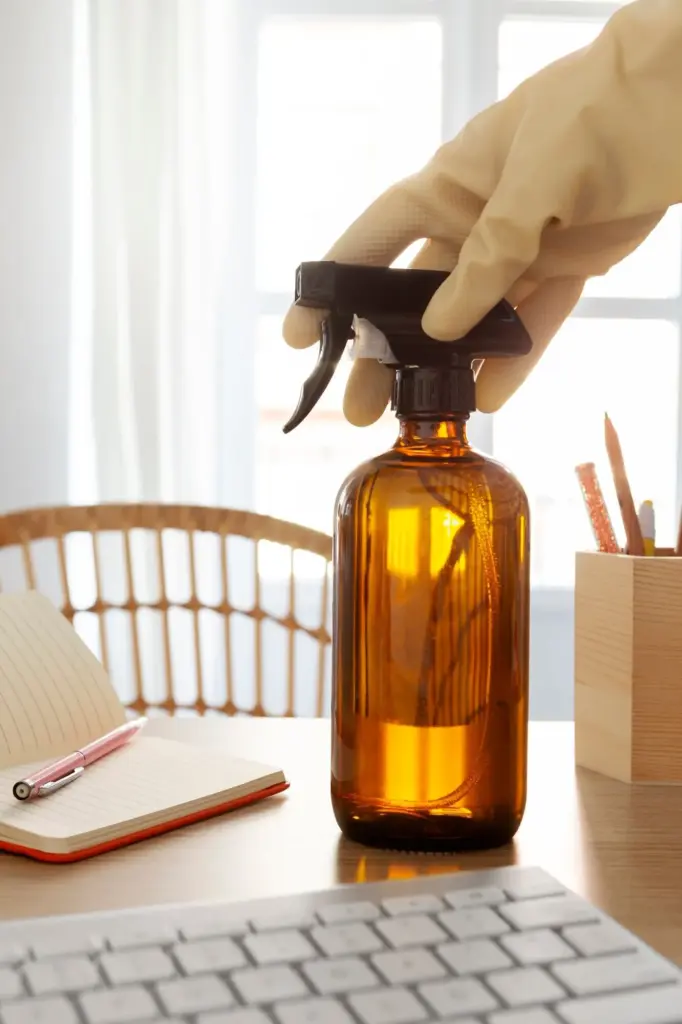
Refill stations often carry high-performing concentrates for multipurpose sprays, dish soap, laundry liquid, and glass cleaner, letting you mix only what you need at home. A single refill pouch can replace multiple plastic bottles, reducing storage space and trash output. Track cost per ounce and you’ll notice long-term savings, especially when buying by weight. Reusing a sturdy sprayer also means fewer broken triggers and less frustration during weekly chores.
Personal Care Staples Without the Plastic Pileup
From shampoo and conditioner to body wash and lotion, refill options replace single-use bottles with sleek, durable containers that look better on your shelf and feel better for the planet. Many shops also stock toothpaste tablets, mouthwash concentrates, and refillable razors. If you’re scent-sensitive, choose unscented or essential-oil variations and refill in smaller amounts first. Sampling this way reduces risk, saves money, and builds a routine you genuinely enjoy maintaining.
Pantry and Kitchen Swaps That Make Sense
Spices, grains, cooking oils, vinegar, and coffee beans are naturals for refill setups, whether at a refillery, co‑op, or bulk grocer. Bring clean jars, tare them, and fill precisely what your household will use. Buying by need reduces stale food, impulse packaging, and pantry clutter. Over time, labeling jars consistently improves visibility, supports meal planning, and makes cooking faster, since your essentials are ready, visible, and measured for real-life kitchen rhythms.

Choosing Pumps, Sprayers, and Thread Sizes
Most household sprayers use common standards, yet small mismatches cause leaks and stripped threads. Measure neck finishes like 28/400 or 28/410 and keep notes in your phone. Consider viscosity: thicker lotions need pumps with larger chambers, while fine mists demand precise atomizers. Test new pairings with water first to confirm fit and flow. A quick compatibility check prevents sticky drips, wasted product, and the frustration of throwing away otherwise perfect, reusable hardware.

Clear Labeling That Prevents Mix‑Ups
Permanent markers fade on glass and smear on some plastics. Use waterproof labels or painter’s tape plus a topcoat of clear tape. Include contents, dilution ratios, and refill dates for safety and consistency. Color‑coding by room—bathroom, kitchen, laundry—helps families grab the right bottle fast. When swapping formulas, remove old labels thoroughly to avoid residue and confusion. Clear labeling is a small habit that supports safe refills and effortless daily routines.
A Five‑Day Kickoff Plan That Actually Sticks
Day one, gather empty or nearly empty bottles and check compatibility. Day two, visit a refillery or place a small online order. Day three, clean and label containers. Day four, refill, test pumps, and adjust dilutions. Day five, note costs, impressions, and what to improve next month. This quick sprint creates momentum, reduces decision fatigue, and leaves you with functional stations ready for daily use instead of aspirational intentions buried on a to‑do list.

Bringing Family or Roommates Onboard
In shared homes, clarity beats lectures. Place clear labels, color‑code by room, and keep a simple instruction card where refills happen. Invite everyone to pick a favorite scent or unscented option to create ownership. Plan a monthly five‑minute check‑in to restock and troubleshoot. When people feel the system respects their routines, participation rises dramatically. Avoid perfection traps; celebrate any refill win. Over time, the shared rhythm becomes second nature and arguments about supplies fade.
Real Stories That Prove It Works
A Café’s Switch to Refillable Milk and Syrup
A neighborhood café traded single‑use jugs and syrup bottles for deposit crates and stainless steel canisters. After two weeks, fridge clutter fell, waste pickups dropped, and staff praised the sturdier pumps. Customers asked questions, then started bringing containers for beans and tea. The owner learned to batch‑clean spouts and log delivery cycles, preventing shortages. Revenue held steady while waste costs dipped, proving refills can fit busy service environments without slowing lines or complicating training.
An Apartment Building’s Soap Station Experiment
A mid‑rise installed a shared hand‑soap and dish‑soap station in the mailroom during a lobby remodel. Management supplied containers, signage, and monthly refills sourced from a local shop. Within a quarter, recycling volumes fell noticeably and residents reported fewer last‑minute store runs. A volunteer team maintained labels and tracked usage with a simple spreadsheet. The experiment built a friendlier lobby culture, where neighbors chatted while topping up and swapped ideas for other shared essentials.
Three Months to Halve Weekly Trash at Home
One reader aimed to cut trash in half by focusing on soaps, cleaners, coffee beans, and grains. They set a Sunday refill window, kept a funnel by the sink, and labeled containers with dates. By week six, habits felt automatic and impulse packaging declined. Savings funded a stainless dispenser and a compact scale. Their advice: start with what you reach for daily, document tiny wins, and resist buying every gadget. Simplicity builds the strongest momentum.

What to Refill Next: A Cross‑Category Checklist
When the basics feel smooth, expand carefully. Add bathroom refills like shampoo, conditioner, and floss; cleaning refills like glass cleaner and stain remover; pantry refills like spices, oats, and oil; and desk items like pens and markers. Verify material compatibility and keep backup labels ready. Note which products disappear quickest and schedule a standing refill day. Avoid overbuying; small, frequent top‑ups keep products fresh and tidy. Improvement thrives on iteration, not heroic shopping marathons.
All Rights Reserved.