
Never Run Out Again: Your Home Refill Routine

From hand soap and rice to toothpaste, batteries, and pet food, learning how to establish a home refill routine for everyday necessities brings calm to busy days. This guide walks you through practical audits, smart reorder points, tidy refill stations, and joyful weekly rituals. Expect sustainable choices that cut waste and save money without sacrificing convenience. Share your favorite tricks, ask questions when something feels confusing, and subscribe for printable checklists, reminders, and mini challenges that keep momentum high through real-life seasons, guests, and surprises.

Cupboard Sweep That Reveals the Truth

Open every storage space, from kitchen drawers to laundry shelves, and list key items with rough quantities using plain language like half, quarter, or almost empty. Note expiration dates, partially used refills, and any duplicates you forgot. Snap quick photos to capture shelf layout. These simple observations take minutes, require no special tools, and reveal patterns you can act on immediately, like products you overbuy or storage locations that consistently hide essentials until you are already out.

Consumption Logs You’ll Actually Keep

Instead of complicated spreadsheets, keep a small notepad or a shared phone note and record only when something is refilled or replaced. Write the date, item, and approximate amount used. Over two to four weeks, you will see reliable rhythms without heavy tracking. This lightweight log transforms hunches into data, helps predict when refills will be needed, and prevents that last-minute panic before guests arrive or school lunches must be packed on a hectic morning.

Translating Observations Into Simple Numbers

Turn your notes into plain estimates: average weekly use, usual container sizes, and typical days until empty. Start with conservative guesses, then refine next month. Give each item a basic score for importance, like must-have versus nice-to-have. These simple numbers guide your par levels, reorder timing, and storage space allocation. They also make it easier to communicate responsibilities with housemates or family, so everyone participates and nobody feels like the only person guarding the household’s invisible backbone.

Set Pars and Reorder Points That Work

Pars are your minimum comfortable quantities, while reorder points are the early signals to restock before stress appears. Start modestly, knowing you can adjust as habits evolve. Use your log to estimate days of cover, then add a buffer to handle guests, delays, or promotions worth grabbing. Keep these numbers visible near storage areas or inside a shared digital note. A few thoughtful thresholds transform constant vigilance into a gentle, reliable system that practically runs itself.

Build a Frictionless Refill Station

Containers That Help You Pour and Store

Select wide-mouth jars for dry goods, pumps for soaps, and sturdy bottles with clear volume markings for concentrates. Prefer materials you can easily sanitize, like glass or high-quality food-safe plastics. Consider child-resistant lids where appropriate. Transparent containers make inventory visible at a glance and reduce accidental duplicates. Sized correctly, they match your consumption pace, keeping contents fresh while preventing clutter. When containers feel good to handle, you naturally refill more consistently and spill far less.

Rapid, Readable Labeling

Create labels with large fonts, usage instructions, dilution ratios, and open dates. Add color codes by category—kitchen, laundry, cleaning—to speed recognition. Include simple icons so anyone can help without confusion. Laminated or waterproof labels resist splashes and frequent wiping. Place labels on both the front and lid to remain visible on crowded shelves. Clear labeling turns your station into a self-explanatory workspace that trains new habits effortlessly and keeps everything moving in a single, smooth flow.

A Spill-Resistant Workflow

Work from left to right: bulk container, tool tray, receiving container, labeled spot for finished items. Use a tray with a lip to capture drips and a microfiber cloth ready for quick cleanup. Refill before containers are completely empty to avoid frantic, rushed pouring. Finish by returning tools to their exact spots. This repeatable sequence becomes muscle memory, reducing accidents, saving time, and keeping the station visually calm so you want to return regularly rather than avoid it.

Make It a Weekly Ritual You Enjoy

A short, dependable ritual beats occasional deep sessions. Pick a time you already protect—Sunday evening or midweek lunch—and commit to fifteen minutes. Play music, pour tea, and start a timer. Review signals, refill priority items, and pre-stage orders for delivery. Involve housemates so responsibility is shared and reminders are friendly. Turning maintenance into something pleasant builds long-term adherence. Over time, this small ceremony becomes an anchor that quietly supports meals, laundry cycles, and joyful, interruption-free mornings.
Walk your home with a small basket, collecting empties and containers needing attention. Check reorder signals, scan labels for open dates, and wipe dusty lids. Top up what you can from bulk, note gaps, and place one consolidated order. This quick, predictable loop prevents scattered errands and impulse purchases. Treat it like stretching for your household—light, refreshing, and restorative—so Monday begins with a reassuring sense of readiness and no unpleasant surprises hiding in the pantry.
For staples like dishwasher tabs or trash bags, store two identical containers. Use from the first until empty, then immediately reorder and switch to the second. A bright card appears between them with a simple message: order now. This highly visible trigger eliminates forgetfulness and arguments about who should remember. The system also provides breathing room when shipping delays or busy weeks strike, keeping your home resilient without constant checking or complicated digital tools that nobody wants to maintain.
Assign roles like label captain, refill pourer, or inventory scout, rotating each month to share the load. Use a playful checklist and celebrate tiny wins, like zero spills week or perfect labels month. Keep a communal note for ideas, substitutions, and requests. When everyone participates, the routine becomes more reliable and less dependent on one person’s memory. Shared ownership builds goodwill, turns chores into teamwork, and makes refilling feel like care rather than another invisible task.

Shop and Budget With Confidence

Buy strategically, not endlessly. Favor sizes that match your consumption pace and storage capacity. Look for refilleries, subscription deliveries, and reliable local stores with consistent stock. Track a small supplies budget category and reconcile it monthly. When offers appear, compare unit prices rather than headline discounts. Combine orders to reduce deliveries and packaging. By aligning purchases with your data and par levels, you avoid overbuying while always staying prepared, protecting both your wallet and your precious cupboard space.

Bulk Without Regret

Before buying a giant container, calculate shelf life, storage temperature, and real consumption. If you will not finish before freshness drops, choose a smaller size or split purchases with a neighbor. Decant into everyday containers while keeping bulk sealed and labeled with open dates. This approach pairs savings with quality and safety. You gain predictable costs, reduce waste, and maintain a calm, uncluttered space that supports fast, stress-free refills rather than wrestling oversized sacks or awkward boxes.

Local Refill Options and Subscriptions

Explore neighborhood refilleries, co-ops, and farmers’ markets for staples like soap, grains, and detergents. Combine these with trustworthy subscriptions for items you always need, adjusting frequencies as your logs improve. Favor services that let you pause, skip, or bundle to avoid excess inventory. Local sources build community resilience and reduce packaging, while scheduled deliveries protect your time. Blending both creates a flexible mesh of supply that adapts to your routines and keeps cupboards consistently, comfortably stocked.

Plan-First Budgeting That Sticks

Set a monthly envelope or app category for home supplies and fund it before discretionary spending. Add forecasted refills from your logs, then keep a small buffer for seasonal spikes. Check unit prices, track savings from subscriptions, and celebrate months with zero stockouts. When the budget is visible and predictable, guilt and impulse fade. You purchase with intention, using a list and prioritizing essentials first. Financial calm supports household calm, reinforcing the entire routine with steady, satisfying rhythm.

Safety, Sustainability, and Peace of Mind

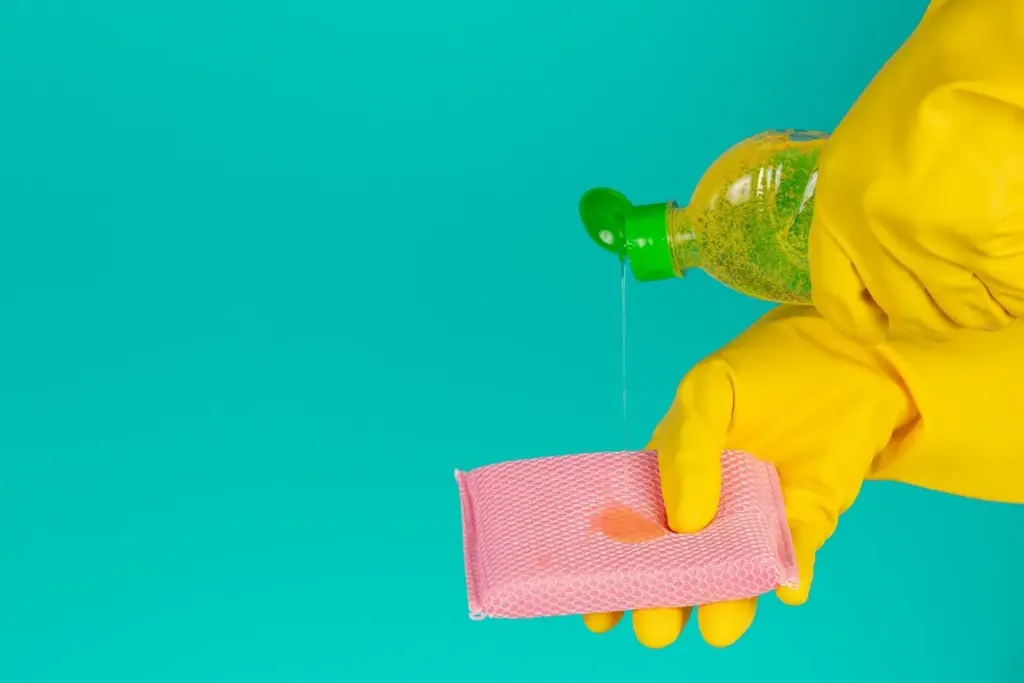
Refilling offers an excellent chance to reduce plastic, choose gentler ingredients, and keep your home safer. Prioritize concentrated products you can dilute, and store them away from heat, pets, and children. Sanitize containers to prevent residue buildup and odors. Separate food from cleaning supplies and label allergens clearly. Build a modest emergency buffer that respects space and neighbors. These thoughtful practices protect health, save money, and turn your routine into an everyday expression of care for people and planet.
Nutizikoxaru
Privacy Overview

This website uses cookies so that we can provide you with the best user experience possible. Cookie information is stored in your browser and performs functions such as recognising you when you return to our website and helping our team to understand which sections of the website you find most interesting and useful.